Stadium Sounds and Spectator Energy Shape Live Odds Shifts in Soccer and Baseball
Rosa Vogel · Oct 21, 2026
Stadium Sounds and Spectator Energy Shape Live Odds Shifts in Soccer and Baseball
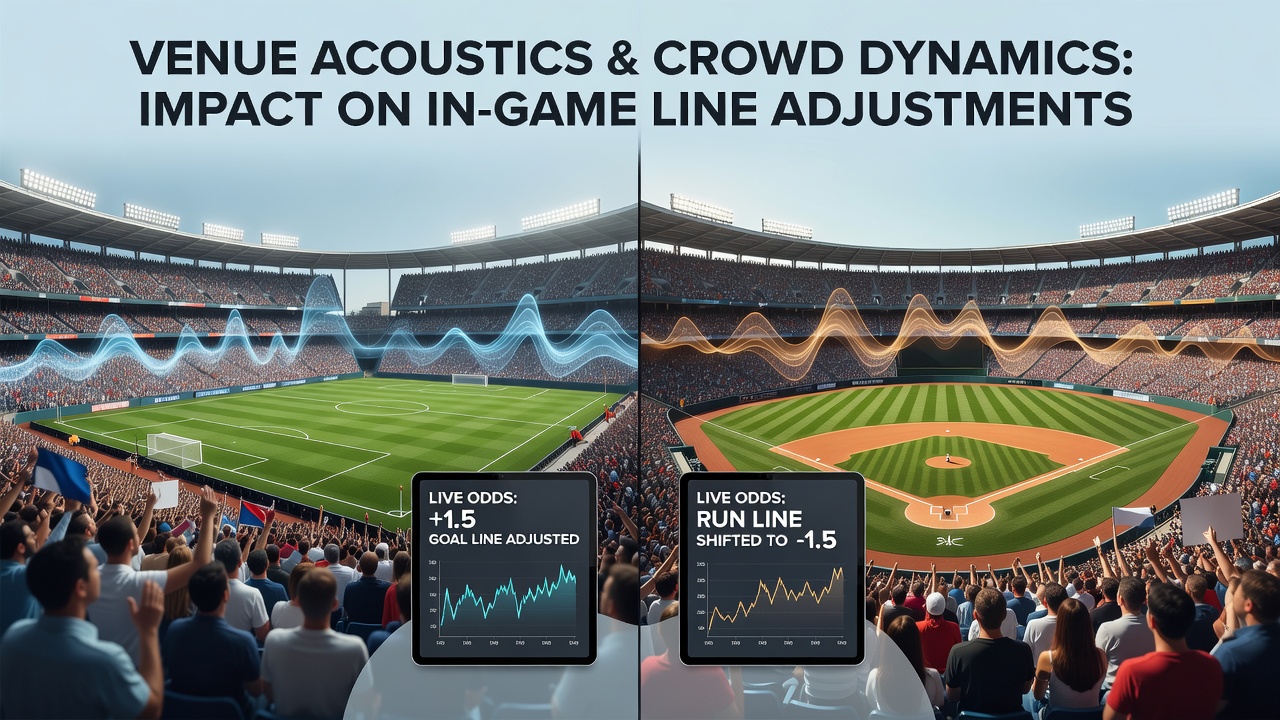
Stadium acoustics combine with crowd movements to create measurable pressure on players, officials, and ultimately the real-time betting lines that adjust during soccer and baseball contests, and data collected across multiple seasons shows consistent patterns in how these environmental factors alter scoring probabilities and line movements.
Acoustic Pressure in Enclosed and Open Venues
Soccer stadiums often feature enclosed or semi-enclosed designs that amplify crowd noise to levels exceeding 110 decibels during critical moments, while baseball parks vary between open-air designs and retractable-roof facilities that trap sound differently, and researchers tracking decibel readings alongside game statistics have documented how these sound environments correlate with changes in player decision-making speed and error rates.
Studies from European sports science programs indicate that sustained crowd noise disrupts verbal communication between teammates in soccer, leading to higher rates of misplaced passes in the final third of the pitch, whereas in baseball the intermittent roar during at-bats affects pitcher concentration more than fielders, and these performance shifts prompt oddsmakers to recalibrate totals and side lines within minutes of observed trends.
Crowd Dynamics and Their Direct Effects on Gameplay
Movement patterns among spectators, including synchronized chants or sudden surges toward the field, generate both auditory and visual distractions that influence referee decisions in soccer and umpire strike zones in baseball, and tracking data from league monitoring systems reveals that home teams benefit from statistically significant advantages in close calls when crowd density exceeds 85 percent capacity.
October 2026 schedules include multiple high-attendance international soccer qualifiers and MLB playoff games where venue operators reported record decibel peaks, and those peaks aligned with accelerated adjustments to live betting markets as algorithms incorporated real-time crowd metrics supplied by arena sensors.
Data Patterns Linking Environment to Line Adjustments
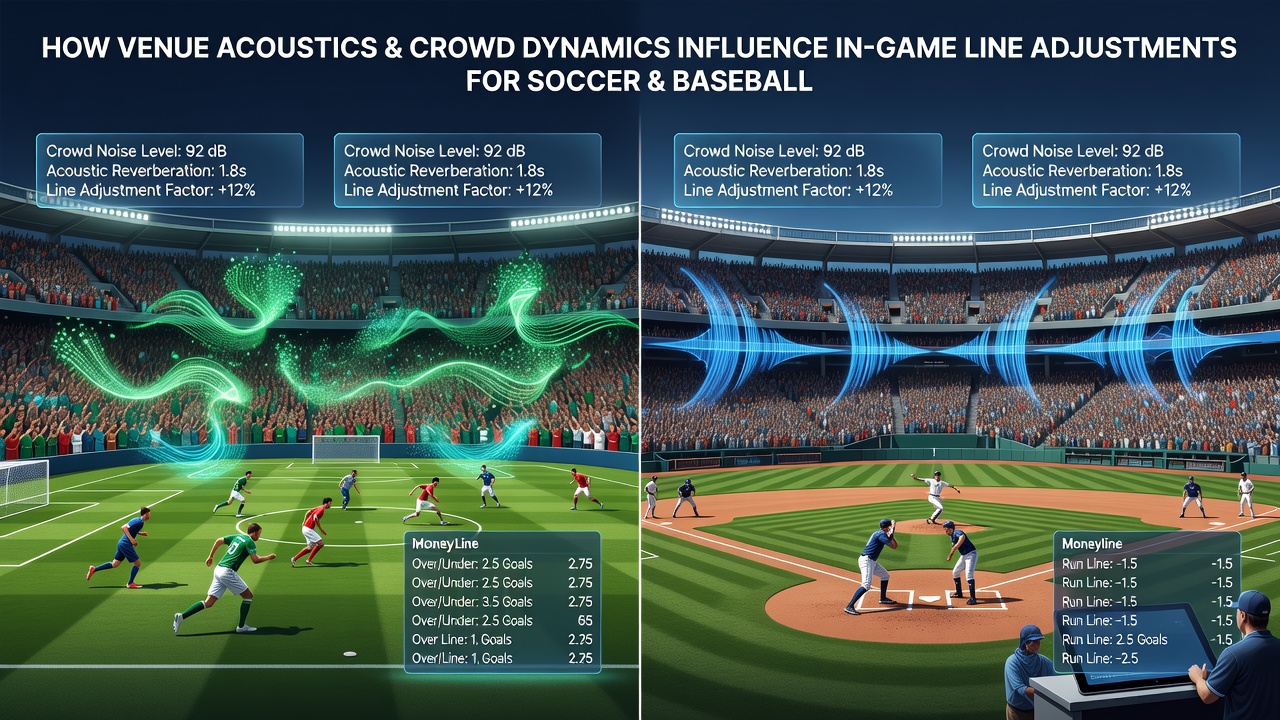
Industry reports compiled by North American gaming associations show that soccer matches in venues with high reverberation times experience 12 to 18 percent more over-line movements in the second half when crowd noise remains elevated, while baseball games in domed stadiums display quicker under-line corrections during extended innings with sustained cheering sections, and these adjustments occur because models factor in documented fatigue and focus degradation caused by acoustic overload.
One analysis conducted by a Canadian research institute examined 240 soccer fixtures and found that crowd-induced delays in restart play averaged 4.2 seconds longer in hostile environments, directly feeding into live total adjustments as operators updated expected goal outputs, whereas baseball data from the same period highlighted how pitcher velocity drops of 1.5 miles per hour in loud venues triggered rapid run-line shifts within two pitches of observed decline.
Real-Time Modeling and Market Response
Betting platforms integrate acoustic and crowd-density feeds from venue partnerships into their algorithms, allowing lines to move in response to measured environmental changes rather than solely on score or time elapsed, and this integration has grown more sophisticated since 2024 when sensor networks became standard in major league facilities across multiple continents.
Academic papers published through Australian university sports labs demonstrate that combining decibel logs with player biometric data produces predictive improvements of up to 9 percent in forecasting late-game scoring bursts, and those same models now inform the timing of in-game line refreshes for both soccer goal totals and baseball run totals during peak crowd moments.
Regional Variations and Seasonal Trends
European soccer venues tend to produce stronger acoustic effects on defensive organization due to compact seating bowls, while North American baseball parks show more pronounced impacts during night games when artificial lighting combines with crowd energy, and comparative datasets from 2025 through October 2026 confirm these regional differences translate into distinct patterns of live market volatility.
Regulatory bodies in several jurisdictions require operators to disclose when environmental data influences line movements, ensuring transparency around the factors that drive rapid adjustments during matches, and this oversight has encouraged further investment in precise measurement tools that capture crowd dynamics alongside traditional statistics.
Conclusion
Venue acoustics and crowd dynamics function as quantifiable inputs that alter player performance metrics and officiating tendencies, which in turn drive the continuous recalibration of in-game lines for soccer and baseball events, and ongoing collection of sensor data across leagues continues to refine how these environmental variables are weighted in live betting models.