Real-Time Algorithmic Shifts Reshape Multi-League Betting Strategies for North American Fans
Hugo Russell · Nov 4, 2026
Real-Time Algorithmic Shifts Reshape Multi-League Betting Strategies for North American Fans
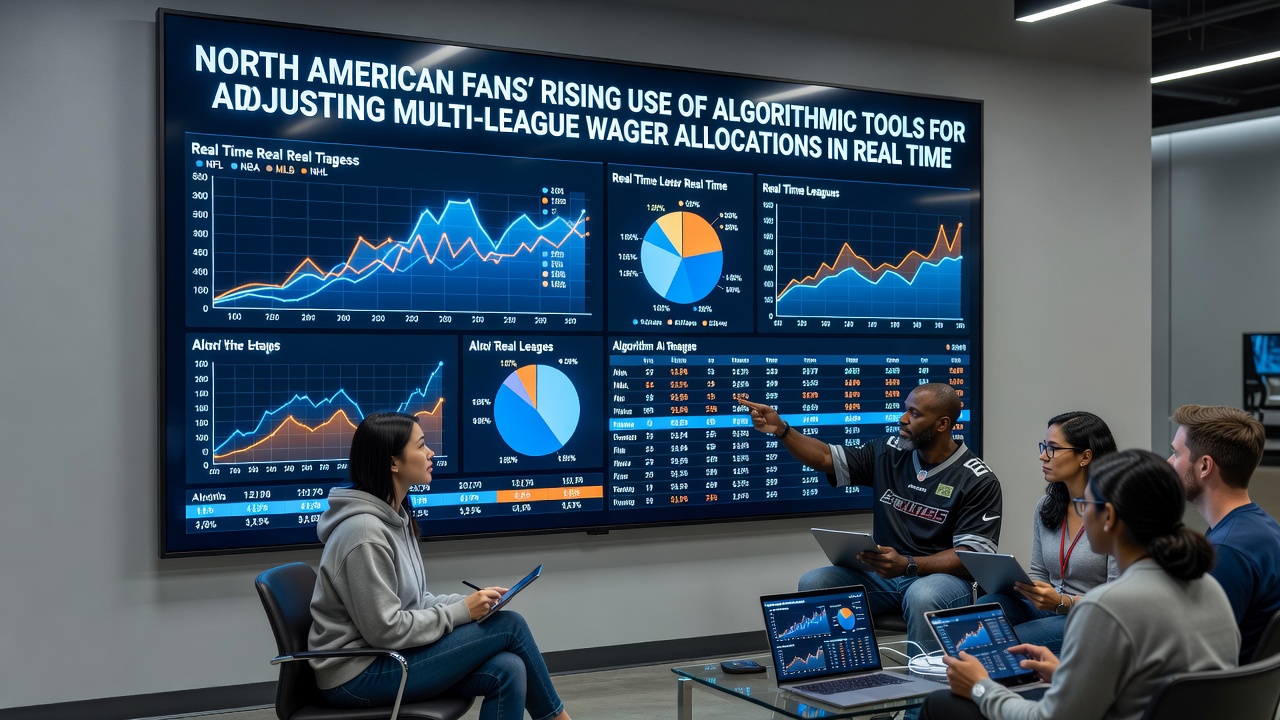
Data from late 2026 shows North American sports enthusiasts increasingly rely on algorithmic platforms that recalibrate wager allocations across multiple leagues as live events unfold, and this pattern has accelerated since the start of the NFL and NBA seasons in November. Observers note that these tools integrate live odds feeds from various sportsbooks while processing inputs such as player performance metrics, weather updates, and injury reports to redistribute stake amounts automatically.
Studies released in October 2026 by academic researchers at the University of Nevada Las Vegas documented a 34 percent increase in active users of such platforms compared with the same period in 2025, and the figures reveal that participants manage portfolios spanning NFL, NBA, MLB, and NHL markets simultaneously. Those platforms operate through application programming interfaces that connect directly to betting exchanges, allowing adjustments within seconds of new data arrival rather than relying on manual intervention after each game segment.
Platform Mechanics and Data Integration
Algorithmic systems collect streaming data from official league sources and third-party analytics providers, then apply weighted models that factor in historical correlations between variables such as travel schedules and scoring margins. Users set initial parameters including risk tolerance levels and league exposure limits, after which the software executes reallocations without requiring further input during live play. For instance, a shift in NBA point spreads during the second quarter can trigger an immediate reduction in that league's allocation while increasing exposure to concurrent NHL totals if the model identifies favorable pricing discrepancies.
Industry reports from the American Gaming Association indicate that more than 2.1 million North American accounts accessed algorithmic features at least once during the first week of November 2026, and the same data set shows average session durations exceeding 47 minutes per active user. These sessions typically involve simultaneous monitoring of four or more leagues, with the algorithms executing between 12 and 28 allocation changes per hour under volatile market conditions.
Cross-League Allocation Patterns
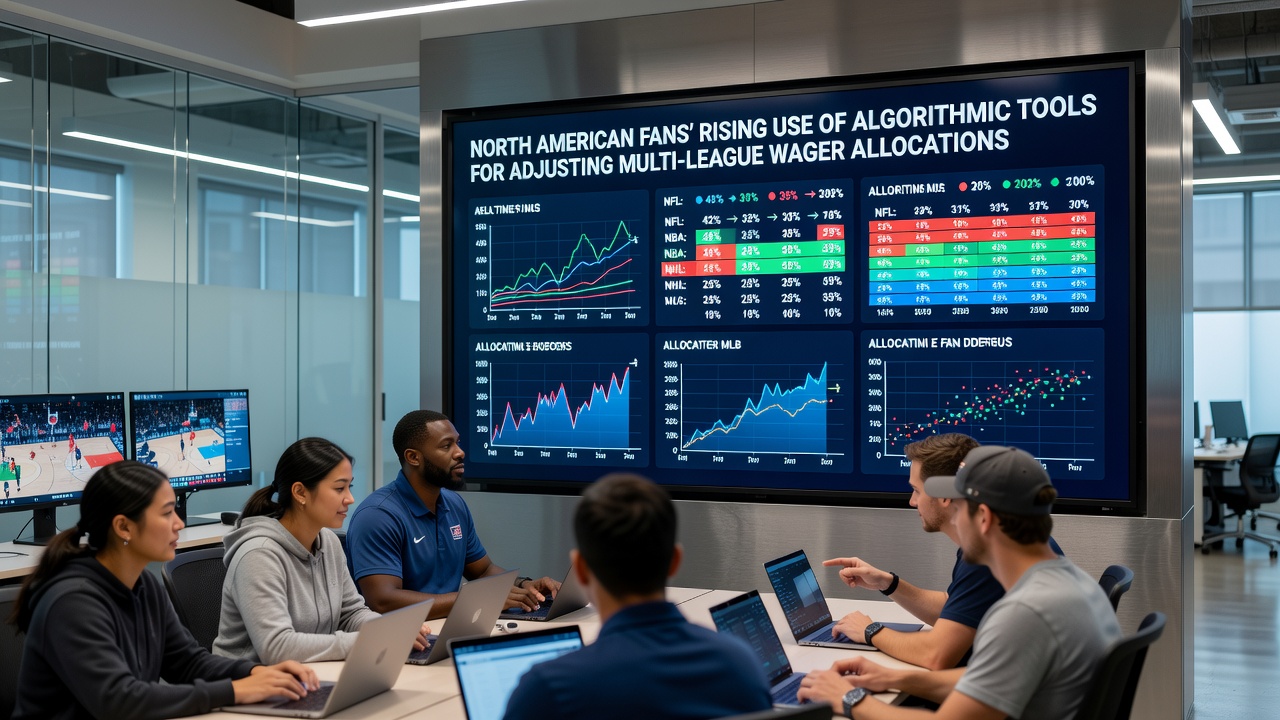
Participants frequently begin evenings with balanced distributions across upcoming NFL primetime games, NBA back-to-back contests, and MLB postseason matchups when schedules overlap, yet the tools respond to in-game developments by moving capital toward markets that exhibit temporary inefficiencies. One documented case from early November involved a model that reduced NBA live totals exposure after a key player foul trouble alert and redirected those funds into NHL puck line wagers that had drifted due to late line movement from European books.
Regulatory filings submitted to state gaming commissions in New Jersey and Pennsylvania during the third quarter of 2026 recorded a 19 percent rise in the number of accounts utilizing API-driven allocation services, and the submissions note that these accounts generated higher transaction volumes per user than non-algorithmic profiles. The filings further specify that average wager sizes remained stable while the frequency of mid-event adjustments climbed, suggesting users maintain consistent overall bankroll commitments even as internal distributions fluctuate rapidly.
Regulatory and Market Context
State-level oversight bodies continue to evaluate the implications of automated allocation tools, and a joint statement issued in October 2026 by regulators from Nevada, New Jersey, and Ontario emphasized the need for transparent algorithm disclosure requirements. Meanwhile, academic papers presented at the annual meeting of the International Association of Gaming Regulators examined how real-time reallocation affects market liquidity across interconnected leagues, noting that concentrated shifts can amplify short-term odds movements in lower-volume NHL and MLB derivative markets.
According to data compiled by the Canadian Gaming Association, Canadian users accounted for 28 percent of algorithmic platform sign-ups during the most recent measurement period, and their activity patterns mirrored those observed south of the border with particular emphasis on NHL and NBA crossovers. Platform operators report that users in both countries set geographic restrictions to comply with local licensing rules, which the algorithms incorporate as hard constraints when scanning for opportunities.
Conclusion
North American adoption of algorithmic wager allocation tools continues to expand in line with broader digital platform growth, and current metrics from November 2026 indicate sustained interest across multiple leagues. The integration of live data streams with automated execution protocols enables users to maintain dynamic exposures without constant manual oversight, while regulatory frameworks evolve to address transparency and consumer protection considerations. Observers expect further refinements in model sophistication as additional performance data accumulates through the remainder of the 2026-2027 season.