Broadcast Timing Gaps and Their Role in Shaping Live Market Movements for Team Sports
David Russell · Oct 7, 2026
Broadcast Timing Gaps and Their Role in Shaping Live Market Movements for Team Sports
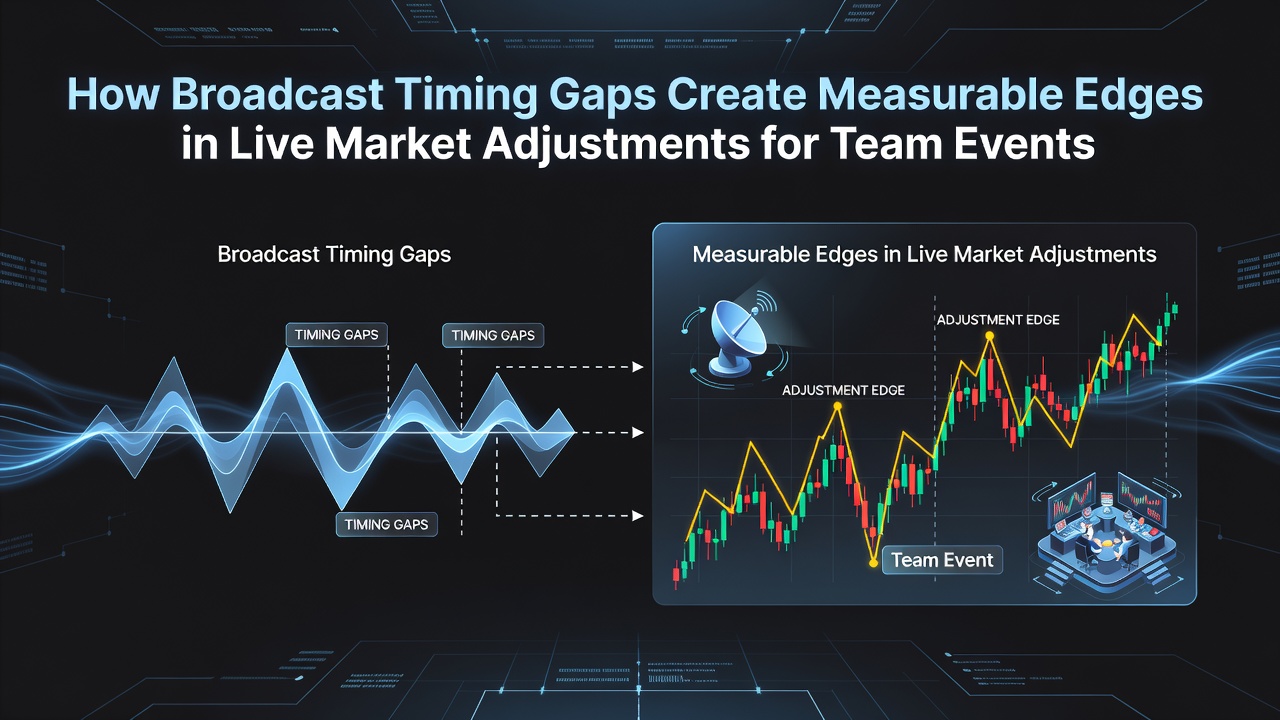
Live sports broadcasts reach viewers several seconds after the actual play unfolds on the field or court, and those timing discrepancies create windows where odds adjust based on information that has not yet appeared on screen. Data from sports analytics platforms show that television feeds typically lag real-time action by four to twelve seconds depending on the network, the sport, and the production setup, while radio or direct data streams arrive closer to the moment the play concludes. Observers note that bettors who monitor multiple feeds can place wagers before the broader market incorporates the latest developments, and bookmakers respond by widening or narrowing spreads and totals within those brief intervals.
Mechanics of Broadcast Delays in Team Events
Production teams compress video, insert graphics, and apply broadcast standards before the signal reaches homes, which introduces consistent latency across major leagues. In October 2026, tracking services recorded average delays of 7.8 seconds for NBA games and 9.2 seconds for NFL contests on national networks, with regional sports networks sometimes adding an extra two to three seconds because of additional commercial insertion points. These gaps widen during replays and halftime segments when the live action continues off-screen, yet the television audience remains unaware until the feed catches up.
Team events compound the effect because multiple players interact simultaneously, generating rapid sequences of events such as fast breaks, line changes, or defensive shifts that alter expected scoring rates. When a key player exits with an injury or a coach deploys an unexpected substitution, the information travels first through official scorers and sideline reporters before it appears on the delayed broadcast, allowing faster feeds to register the change in probability ahead of the television audience.
Live Market Adjustments Triggered by Timing Differences
Betting platforms update lines continuously through algorithms that ingest play-by-play data, and those systems receive information from sources that bypass the television delay. Research from the University of Nevada, Las Vegas indicates that moneyline shifts in basketball occur an average of 6.4 seconds after a scoring play registers on the official data feed, while the corresponding television image arrives later. Market makers widen spreads when they detect unusual volume on one side, yet the initial adjustment often reflects only the earliest signals that reach the pricing engine.
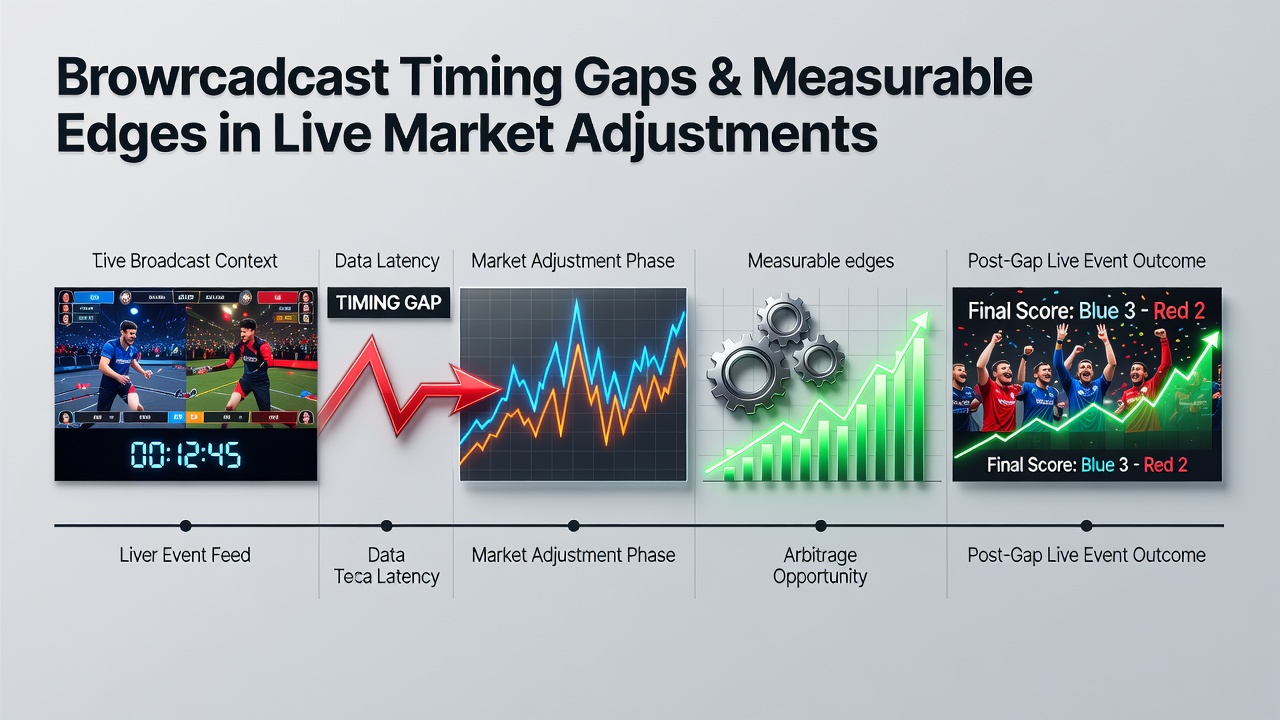
Those who monitor both the official data stream and the delayed video observe that totals markets move first on high-scoring sequences because the raw points register immediately, whereas spreads require confirmation of which team scored and the game situation at that moment. In one documented October 2026 college football game, the over line jumped 1.5 points within eight seconds of a long touchdown pass, while the television replay did not air until fourteen seconds later, creating a measurable window where early movers captured the pre-adjustment price.
Patterns Across Different Leagues and Venues
National Hockey League contests exhibit shorter average delays because of simpler production requirements, yet the rapid pace of play means even a four-second gap allows significant edge when a power play begins or ends. Data compiled by the Canadian Gaming Association reveal that live betting volume spikes in the first minute after a goal because the data feed updates instantly while the broadcast processes the replay and crowd reaction shots. European soccer matches, governed by stricter broadcasting regulations under the Audiovisual Media Services Directive, show similar timing differentials that affect in-play totals and corner markets during set pieces.
Stadiums with inconsistent Wi-Fi or older scoreboards sometimes introduce additional latency on the venue data feed itself, and those localized delays create pockets where only those inside the building or connected to private timing sources gain the advantage. Observers have tracked how certain venues consistently post higher live-handle volatility because the broadcast truck must route signals through more processing steps before they reach satellite uplinks.
Conclusion
Broadcast timing gaps remain a structural feature of televised team sports, and the measurable edges they produce in live markets stem directly from the difference between the moment an event occurs and the moment the television audience sees it. Regulatory filings and academic studies continue to document how these intervals influence wagering patterns without requiring any change in the underlying rules of the games themselves. As production technology evolves, the size of the gaps may shift, yet the fundamental relationship between feed latency and market response persists across leagues and seasons.